When Should My Child First See an Orthodontist?
Being parents, we know how to track every milestone. From walking to talking to losing first teeth, everything counts. However, one of the questions that comes much later in parenting is, "When Should My Child First See an Orthodontist?" For many people, visiting orthodontists happens only when children get their braces on. Nevertheless, getting there much earlier may significantly help in the dental development of your little one. Fortunately, for most people, the very first orthodontic appointment is not as scary as it seems to be.
At Central Coast Orthodontics, we believe in early intervention and personalized care for every young patient. Let us guide you through what to expect from your child's first orthodontic visit.
The Ideal Age for a First Orthodontic Visit
Most orthodontists, even the American Association of Orthodontists, advise having your children see an orthodontist for the first time around the age of 7 years old. Of course, that would seem very early at first. Your children may even still have their baby teeth at this point. But this is actually the best time for your orthodontist to examine your teeth and jaws.
By the time most children turn 7 years old, it is quite likely for them to have grown their primary teeth, as well as some permanent teeth. This will give you an opportunity to nip any potential dental problems in the bud.

Meet Dr. Specht
Perfecting smiles for over 30 years with expert care and advanced technology.
15 Years of 5-Star Reviews • Virtual Visits Available
Why Early Orthodontic Visits Matter
Not every visit from an orthodontist to your child necessarily means that braces will be needed immediately. There are many other dental conditions that may be diagnosed during an orthodontic visit, such as overcrowding, malocclusion, and bone growth problems.
The best part of examining your child when there are already some problems discovered is that the procedure will be helpful in aligning the teeth and jawbones according to the process of growth. In this way, any further treatments will be easier, more affordable, and quicker. Some children respond well to early orthodontics because of the growth process of their jaw bones.
Signs Your Child May Need an Orthodontic Evaluation
However, even if your child is below 7 years old, there are certain symptoms that parents need to watch out for. Some symptoms that would justify a visit to an orthodontist include:
- Early or late loss of milk teeth
- Having difficulty chewing or biting food
- Breathing through the mouth
- Thumb sucking past the age of 4 or 5 years old
- Crowded or overlapping teeth
- Jaw popping or jaw noises
- Biting the inside of the mouth
- Gaps between the teeth
- Overbite, underbite, or crossbite
While some of these conditions may not appear to be serious in the beginning, they could potentially impact the way your child speaks, bites, and overall confidence.
What Happens During Your Initial Appointment?
It is because most parents feel anxious thinking that their kids might find it tough and scary to visit an orthodontist for the first time. But actually, such visits do not require too much time, are almost painless, and fairly easy.
During your child's initial orthodontic visit, the orthodontist will be able to do the following:
- Examine your kid's teeth and jawline
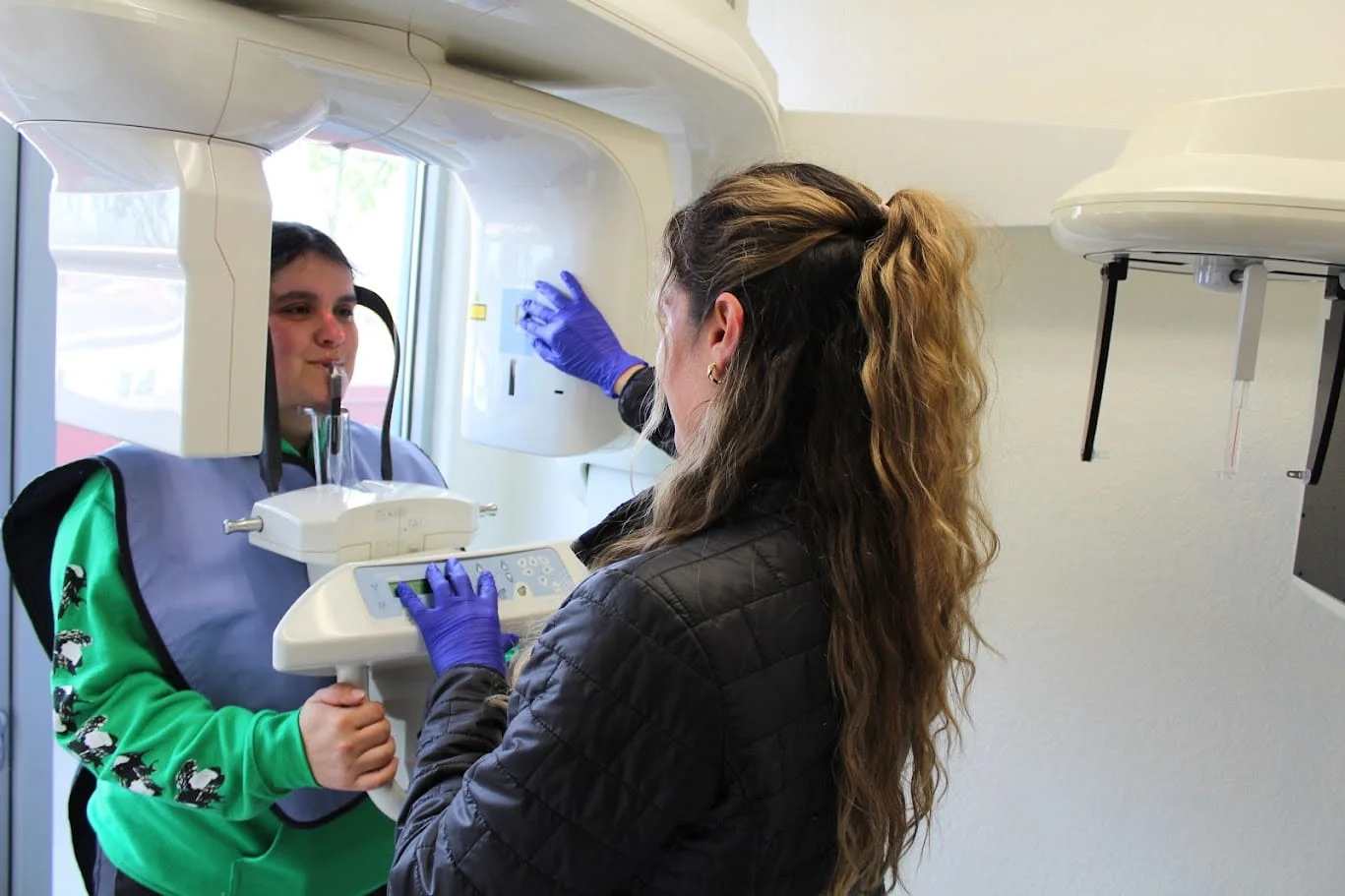
- Perform dental imaging or photos
- Evaluate the emergence of the permanent teeth
- Investigate your kid's bite and jaw structure
- Answer any questions you have
Usually, the orthodontist will assess whether some interventions are needed immediately, or just routine checkups are enough. Sometimes, there may even be no need for treatment at all.
Does Early Treatment Mean Braces Right Away?
Just because children will visit an orthodontist at the age of seven does not mean that they will get their braces right away. It means that if their case requires them to undergo orthodontics at such a young age, then it will be based on the effects of the growth of their jaw and the creation of space for their adult teeth.
These methods are considered to be Phase 1 Orthodontics. Phase 1 Orthodontics can make use of different types of devices including braces.
How Can You Help Your Child Relax?
Your children may copy your emotions too. By being positive and relaxed, your child will also stay like that during the entire procedure.
It can help you tell your child that the orthodontist only needs to evaluate their tooth growth, just as any other dentist would. It's important to understand that many orthodontists' clinics were created keeping children in mind. Their office will be welcoming to kids immediately.
Conclusion
Now that you asked yourself, "When should my child first see an orthodontist?" The answer you got was around the age of 7 years old. Of course, even if there is no need for immediate treatment, it can help you spot possible problems and start addressing them earlier on.
We are aware of the different development stages of each child, and that is why we provide personalized and comfortable orthodontic services for young patients.
If you're still looking for more information, contact us at Central Coast Orthodontics today to learn how we can help you with personalized orthodontic services!
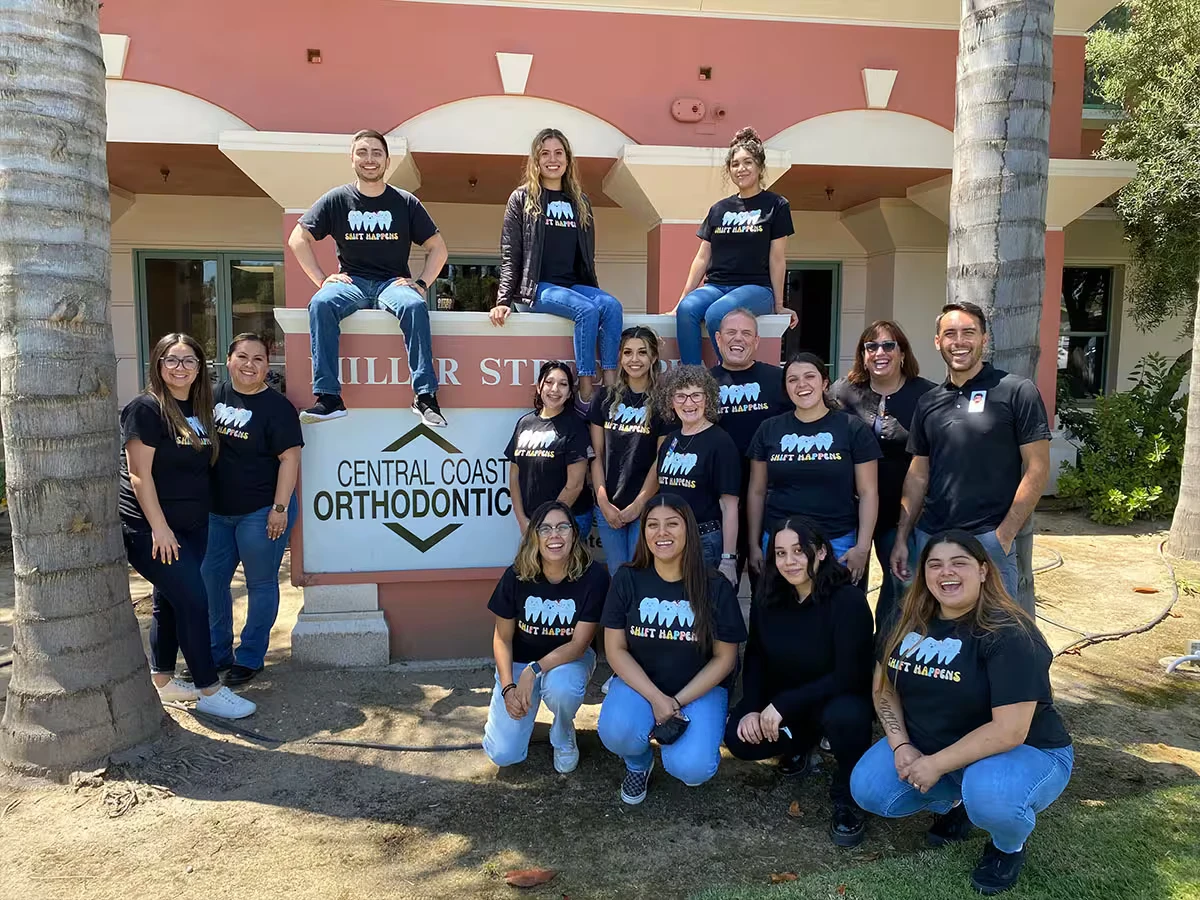
We Love What We Do
@Central Coast Orthodontics Stay connected with us through social media and see how we're making people smile every day!



Get Started On Your New Smile Today
Experience 5-Star Care
We get results, plain and simple. Check out some of our awesome 5-star reviews from happy patients over the years!
Specialists in Orthodontics
1400+ 5 Star Google reviews and counting